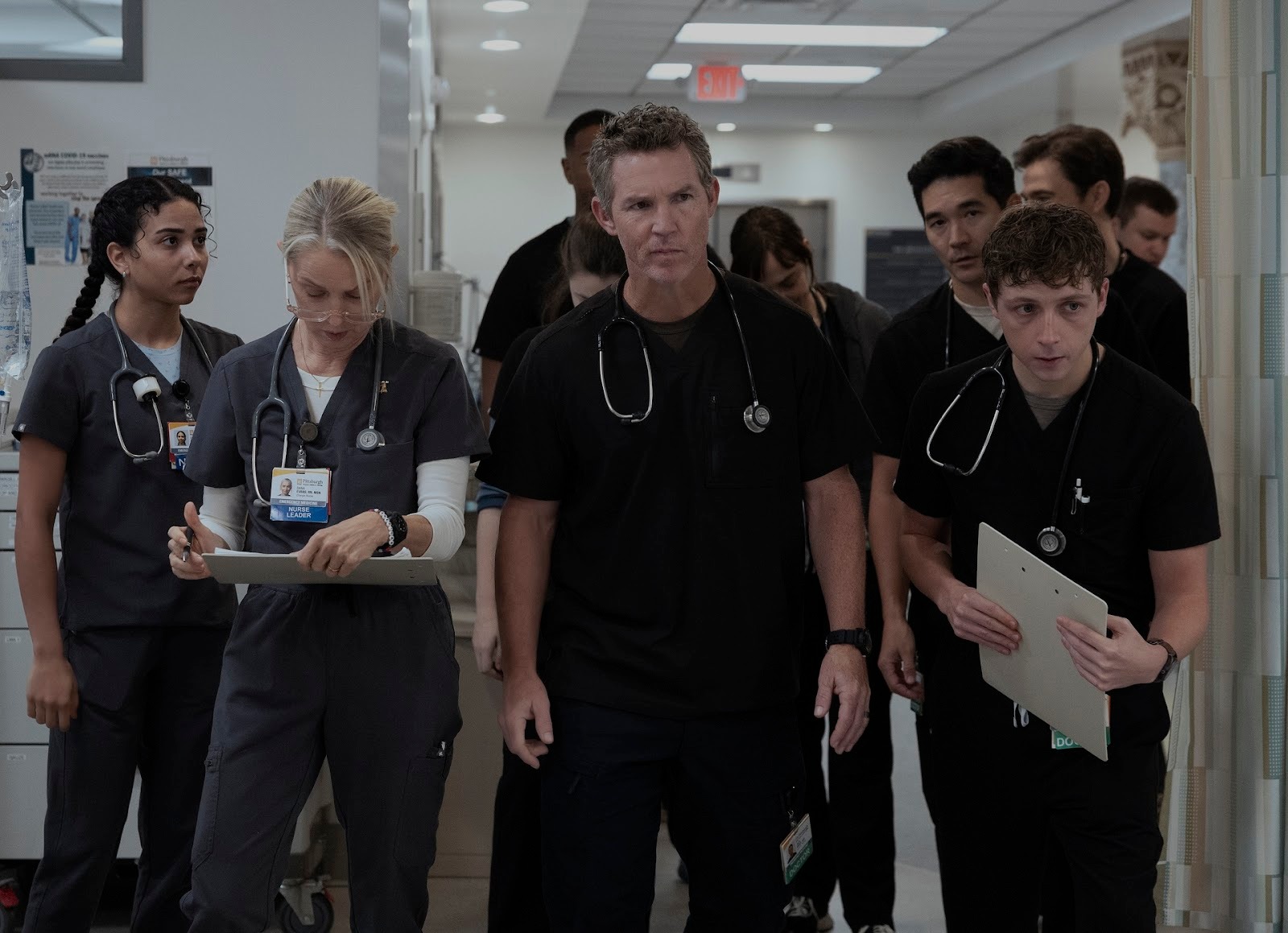
"7:00 PM": A Deceptive Calm Before the Storm, Unveiling Systemic Healthcare Flaws
In the high-stakes world of medical dramas, The Pitt has consistently carved out its niche by presenting the raw, often brutal, realities of an overstretched emergency department. While the first season crescendoed with the shocking aftermath of the Pitt Fest shooting and Robby's (Noah Wyle) harrowing panic attack in its 13th episode, Season 2's "7:00 PM" (Episode 13) offers a different, yet equally potent, kind of drama. Far from ratcheting up immediate tension, this pivotal installment, as explored in The Pitt Season 2 Episode 13 Review: Unexpected Calm or Deceptive Swerve?, provides a surprising emotional release, a moment for the day shift to pass the torch to the night crew, even seeing Shawn Hatosy's Dr. Abbot back in the fray. This tonal swerve, initially underwhelming for some, ultimately serves a more profound purpose: it clears the stage for a searing critique of American healthcare flaws, channeling a righteous anger that resonates deeply with viewers.
The Human Cost: Orlando Diaz and the Unforgiving Maze of Medical Debt
At the heart of "7:00 PM" lies the tragic saga of Orlando Diaz (William Guirola), a patient whose struggle encapsulates the deplorable state of American health insurance. Picking up from a prior cliffhanger, Orlando's return to the ER is grim. He's in far worse shape than before, facing potential permanent brain damage after a nasty fall. The unspoken truth, powerfully conveyed through Robby's keen observations, is that Orlando was likely seeking a permanent escape from his insurmountable medical debt. This isn't just a plot device; it's a stark mirror reflecting a pervasive societal issue where health can become a financial trap, pushing individuals to desperate measures.
The Pitt doesn't just show us the symptoms of a failing system; it exposes the underlying disease. Orlando's story highlights the immense pressure faced by countless Americans who, despite working multiple jobs, cannot afford adequate healthcare. This often leads to delaying necessary treatments, ignoring preventative care, and ultimately, facing catastrophic health crises that could have been avoided. This narrative thread is a crucial part of what makes The Pitt Reviews so compelling – its unflinching portrayal of reality.
Understanding the Impact of Medical Debt:
- Delayed Care: Patients often postpone doctor visits or necessary procedures due to high costs, leading to more severe conditions later.
- Forced Choices: Individuals may choose between basic necessities like food and housing, or critical medications and treatments.
- Bankruptcy: Medical bills are a leading cause of personal bankruptcy in the United States, illustrating the profound economic vulnerability many face.
- Mental Health Strain: The stress of medical debt can exacerbate existing health conditions and lead to anxiety, depression, and hopelessness.
While The Pitt is a drama, its depiction of Orlando's plight serves as a powerful call for empathy and a broader conversation about healthcare reform. It reminds us that behind every statistic of medical debt is a human story of struggle and often, despair.
Systemic Insensitivity: Medicaid Battles and the Fight for Life-Saving Meds
Orlando's story is echoed by another powerful case in "7:00 PM": a teenager suffering from a severe asthma attack. His mother recounts a grueling, uphill battle after being summarily booted off Medicaid. Her struggle to secure the life-saving medication her son desperately needs against an unfeeling, bureaucratic system is enough to make any viewer's blood boil. While this particular case thankfully finds a relatively happy ending within the episode, the journey to get there is fraught with tension and highlights the arbitrary cruelty of administrative hurdles.
This storyline underscores how systemic issues can directly impact the most vulnerable. Being denied access to essential services, especially for a chronic condition like asthma, can have immediate, life-threatening consequences. It's a testament to The Pitt's writing that even in an episode described as having an "emotional release," the underlying themes of injustice burn brighter than ever. The show expertly crafts scenarios where the true villain isn't a single person but the labyrinthine, often indifferent, system itself. This righteous anger is a consistent thread that critics often highlight in The Pitt Reviews, praising its commitment to social commentary.
Navigating Healthcare Access: What Viewers Can Learn
While The Pitt dramatizes these situations, the challenges are real. For individuals facing similar struggles, understanding the basics of healthcare access can be empowering:
- Know Your Rights: Familiarize yourself with patient rights and appeal processes if insurance coverage is denied.
- Seek Advocacy: Many hospitals have patient advocates who can help navigate complex billing and insurance issues. Non-profit organizations also offer assistance.
- Explore Options: Research state-specific programs, charity care, or pharmaceutical patient assistance programs for medication costs.
- Document Everything: Keep meticulous records of all communications with insurance companies, doctors, and hospitals.
These stories in "7:00 PM" are not just dramatic fodder; they are poignant reminders of the fragility of healthcare access and the relentless fight many families endure.
Beyond the Patient's Bedside: Robby's Personal Gauntlet
While the focus of "7:00 PM" leans heavily into systemic critiques, it doesn't neglect the personal toll these environments take on the healthcare professionals themselves. For Robby, this episode, despite the absence of his panic attacks, proves to be profoundly pivotal. He grapples with concerning news about Duke (Jeff Kober), fends off exhausted student doctors eager to end their day, and most significantly, engages in an explosive confrontation with Dana (Katherine LaNasa). This argument, described as two "beloved parents fighting," is a masterclass in acting, showcasing Noah Wyle and LaNasa in top form. It brilliantly illustrates how the pressures of their demanding careers and the emotional weight of their patients' suffering can fray even the strongest bonds.
This deeply human interaction adds another layer to The Pitt's narrative, reminding us that the healthcare system's flaws don't just affect patients; they infiltrate the lives of those dedicated to healing. The stress, the moral dilemmas, and the constant exposure to suffering can erode personal relationships and mental well-being. This depth of character exploration is a significant reason why The Pitt: Is This the Gritty Medical Drama ER Fans Have Waited For? has resonated so strongly with critics and audiences, particularly those who appreciate the legacy of shows like ER, which also starred Wyle.
The episode's subtle shift in focus—allowing the day shift to step back and the night shift to take command—also signifies a passing of the torch and a collective burden. It acknowledges that healing is a continuous, collective effort, shared by an entire team, each member battling their own demons while confronting the daily onslaught of medical crises.
Why "The Pitt" Continues to Captivate: Echoes of Reality and a Call to Conscience
The consistent acclaim in The Pitt Reviews isn't merely for its medical accuracy or dramatic tension; it's for its fearless examination of societal ills through the lens of a busy ER. "7:00 PM" exemplifies this by taking a momentary pause from overt chaos to zoom in on the systemic vulnerabilities that plague modern healthcare. It uses the intimate stories of individuals like Orlando and the asthmatic teen to ignite a "righteous anger" that transcends the screen, urging viewers to contemplate the broader implications of an "unfeeling, uncaring system."
The show's ability to spark discussions about medical debt, insurance denials, and the immense pressure on healthcare professionals makes it more than just entertainment. It's a cultural touchstone, prompting introspection and, hopefully, inspiring action. As The Pitt continues its run, it solidifies its place not just as a successor to beloved medical dramas but as a vital voice in the ongoing conversation about health, humanity, and justice in the 21st century.